Arizona Child Abuse Lawyers
Arizona attorneys who hold abusers, institutions, and negligent agencies accountable through civil claims. No fee unless we recover.
Free, no obligation. Available 24/7. No fee unless we win.
- $3.07M+ Recovered for Arizona families
- 5.0 ★ 93 verified Google reviews
- No Fee Unless we win your case
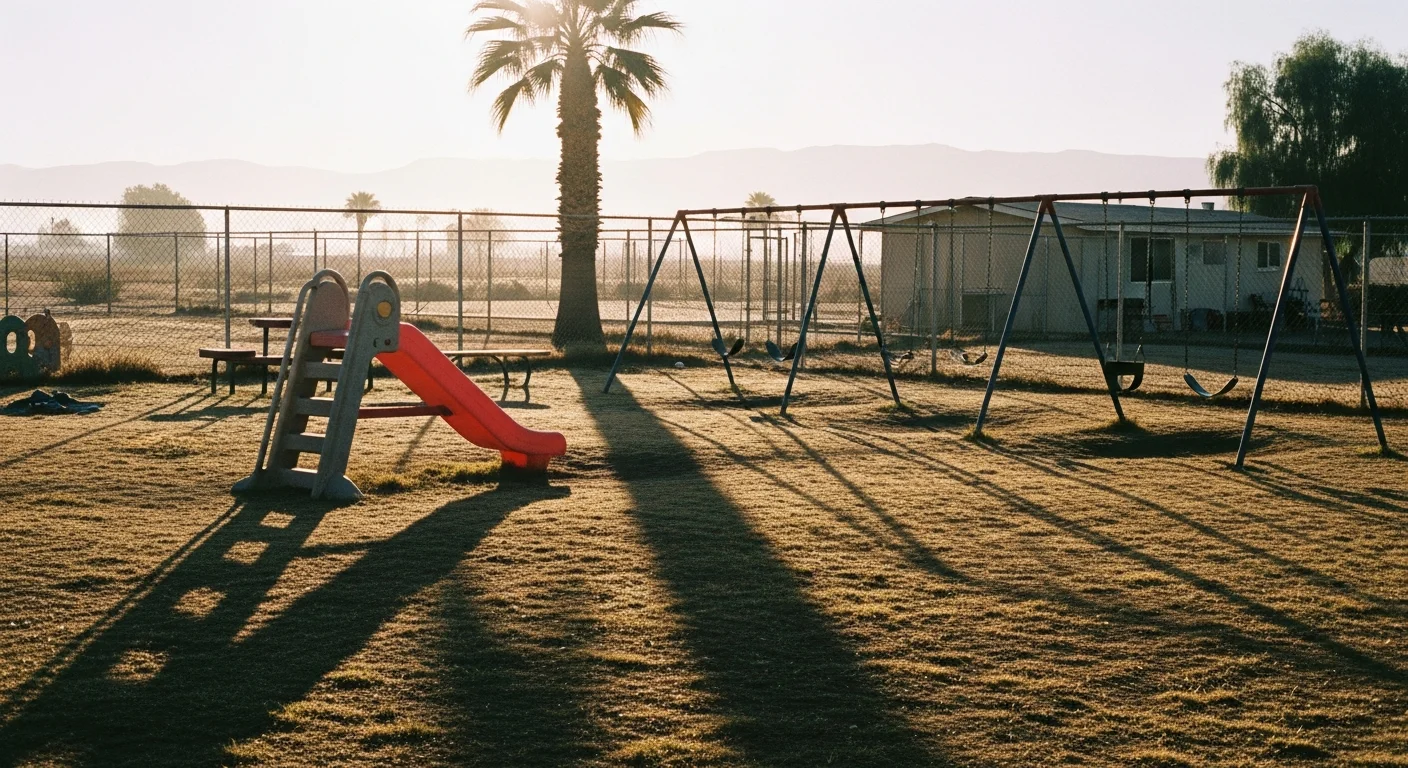
116 Arizona children died from abuse or neglect in 2024. 71% were under five years old. 63 of the 116 deaths involved substance use by a parent or caregiver. The Arizona Department of Health Services Child Fatality Review report documents every case. These aren’t statistics. They’re children who were failed by every adult and every system responsible for protecting them.
The DCS hotline handled nearly 160,000 calls in the past year. Staff investigated more than 43,000 cases of suspected abuse or neglect. In 2025, three girls who were known to DCS were murdered, sparking a wave of legislative reforms that’s still unfolding.
What Arizona Law Defines as Child Abuse
ARS 8-201 establishes the legal definition. Child abuse includes the infliction of physical injury, impairment of bodily function, disfigurement, and serious emotional damage to a minor. The statute also covers sexual offenses, including molestation, exploitation, and trafficking.
The definition isn’t limited to intentional acts. Negligent supervision, failure to protect a child from a known abuser, and failure to provide necessary medical care all fall within the statute’s scope.
ARS 13-3623 creates criminal liability for child abuse or abuse of a vulnerable adult. Under ARS 13-3623, intentionally or knowingly causing a child to suffer physical injury is a Class 2 felony. Reckless conduct causing injury is a Class 5 felony. Criminal abuse under circumstances likely to produce death or serious physical injury is a Class 2 felony carrying presumptive sentencing of five years.
Mandatory Reporting: ARS 13-3620
Arizona’s mandatory reporting law casts a wide net. Under ARS 13-3620, the following people must report suspected child abuse: physicians, nurses, dentists, psychologists, social workers, teachers, school personnel, school counselors, law enforcement officers, child care providers, clergy (with limited exceptions), parents, guardians, and custodians.
The standard is “reasonable belief.” If a mandatory reporter reasonably believes a minor has been abused, they must report immediately, either electronically or by telephone, to a peace officer, DCS, or a tribal agency.
Failure to report is a Class 1 misdemeanor. If the failure involves a reportable offense (serious physical injury, sexual abuse), it escalates to a Class 6 felony.
Reporters who act in good faith are immune from civil and criminal liability. This immunity doesn’t apply to people who are themselves suspected of the abuse.
If you suspect a child is being abused or neglected, call the DCS hotline at 1-888-SOS-CHILD (1-888-767-2445). Reports can be made 24 hours a day, seven days a week. You don’t need proof. Reasonable belief is the standard. Reporters are legally protected from liability.
DCS Investigations: The Numbers
DCS received nearly 37,000 calls in FY 2024 for noncriminal child abuse and neglect reports. Staff investigated more than 43,000 cases total. A 2024 audit by the Arizona Auditor General found that while DCS followed its policies in 97% of cases reviewed, major shortcomings persisted. DCS took more than 45 days to enter investigation findings for more than half of noncriminal reports.
The delays matter. When investigation findings aren’t entered for weeks or months, the data that should inform safety decisions is outdated. A child left in a dangerous home because the investigation hasn’t been completed is a child at risk.
Arizona has raised foster care pay by 50% as of December 2025. The state still needs 1,046 more foster homes. The gap between the number of children who need placement and the number of available homes creates pressure to leave children in situations that should trigger removal.
Types of Child Abuse Claims
Civil claims for child abuse follow different theories depending on who committed the abuse and where it occurred.
Claim Theories by Setting
Parental abuse
When a parent or household member abuses a child, the child (through a guardian or guardian ad litem) can file a civil claim for damages. The abuser is personally liable. In many cases, homeowners’ or renters’ insurance doesn’t cover intentional acts, so recovery depends on the abuser’s assets.
Institutional abuse
When abuse occurs in schools, daycares, group homes, or foster care, the institution may be liable for negligent hiring, negligent supervision, or failure to report.
Our investigation into school restraint and seclusion data documents how institutional settings fail Arizona’s children. The daycare violations investigation examines facility-level data.
DCS failure
When DCS receives a report, investigates, and fails to protect a child who is then further harmed, claims against the state are possible. Arizona taxpayers have paid $30 million in cumulative settlements for child welfare lawsuits. The B.K. ex rel. Tinsley v. Faust class action was brought against DCS directors on behalf of children in DCS care.
Foster care abuse
When a foster parent or group home staff member abuses a child, claims can target both the individual and the agency that placed the child without adequate vetting.
Statute of Limitations: The Tolling Advantage
Arizona provides extended filing deadlines for child abuse claims. Understanding these deadlines is critical.
For physical abuse, the general two-year statute of limitations under ARS 12-542 applies. But ARS 12-502 tolls the clock for minors. The statute of limitations doesn’t begin running until the child turns 18. A child injured at age 5 has until age 20 to file.
For sexual abuse, ARS 12-514 provides an even longer window. The deadline extends to 12 years after the child’s 18th birthday. A child sexually abused at any age has until age 30 to file a civil claim.
For claims against public entities (schools, DCS, government-run facilities), the 180-day notice of claim requirement under ARS 12-821.01 isn’t tolled by the child’s age. It runs from the date of the injury, so a parent or guardian must file it within 180 days regardless of how young the child is. Minority tolling under ARS 12-502 reaches only the one-year suit window under ARS 12-821 that follows a timely notice, not the notice itself.
Legislative Reforms: 2025 and 2026
The murders of three girls known to DCS in 2025 triggered a legislative response that’s reshaping Arizona’s child welfare system.
HB2035 addresses kinship care, making it easier for relatives to take custody of children removed from abusive homes. HB4004 provides for protective parent investigations when one parent reports abuse by the other. HB2611 strengthens safety standards for group homes.
These reforms create new duties for agencies and facilities. When those duties are violated and a child is harmed, the violations serve as evidence in civil claims.
Damages and Recovery
Arizona places no caps on compensatory damages in child abuse cases. Recoverable damages include medical expenses, therapy and counseling costs (often lasting years or decades), pain and suffering, emotional distress, and loss of childhood quality of life.
Punitive damages are available against private defendants who acted with an “evil mind.” Against public entities and their employees, ARS 12-820.04 prohibits punitive damages.
Child abuse cases often involve long-term psychological harm that doesn’t manifest until years after the abuse. Future treatment costs, diminished earning capacity, and ongoing therapy expenses are all compensable.
Families with a child who has been abused or who suspect institutional abuse or neglect can reach AZ Law Now at (602) 654-0202 or through the contact form. An initial review pulls facility records, DCS histories, and documentation of institutional failures. Intake is confidential. Representation is on contingency.
Frequently asked questions
What qualifies as child abuse under Arizona law?
Who is required to report child abuse in Arizona?
How do I report child abuse in Arizona?
What is the statute of limitations for child abuse claims?
Can I sue a school district for child abuse?
What damages can I recover in a child abuse case?
What is DCS and what do they do?
Can I file a civil claim even if no criminal charges were filed?
What if the abuser was a foster parent or group home staff?
Sources & references
- Arizona Revised Statutes § 8-201: Definitions (Child Abuse) https://www.azleg.gov/ars/8/00201.htm
- Arizona Revised Statutes § 13-3620: Duty to Report Abuse, Physical Injury, Neglect, and Denial of Treatment https://www.azleg.gov/ars/13/03620.htm
- Arizona Department of Health Services. (2024). Child Fatality Review Annual Report https://www.azdhs.gov/documents/prevention/womens-childrens-health/reports-fact-sheets/child-fatality-review-annual-reports/cfr-annual-report-2024.pdf
- Arizona Auditor General. (2024). DCS Investigation Audit Findings. 12News https://www.12news.com/article/news/local/valley/audit-finds-gaps-dcs-investigations-of-child-abuse-cases-advocates-call-for-change/
- Arizona Revised Statutes § 12-502: Minors; Statute of Limitations Tolling https://www.azleg.gov/ars/12/00502.htm
- Arizona Revised Statutes § 12-514: Child Sexual Abuse; Extended Statute of Limitations https://www.azleg.gov/ars/12/00514.htm
- ABC15 Arizona. Arizona Taxpayers Pay $30 Million to Settle Child Welfare Lawsuits https://www.abc15.com/news/local-news/investigations/arizona-taxpayers-pay-30-million-to-settle-child-welfare-lawsuits