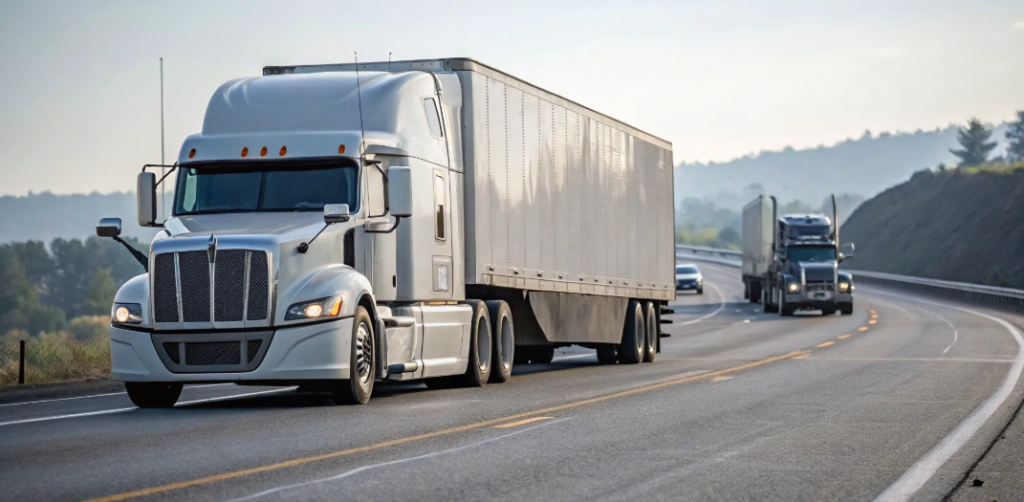
Stay informed about semi truck accident Buckeye updates, common causes, and your rights after a crash. Learn what steps to take and how to seek support.
A crash with a passenger car is stressful enough. But when you’re hit by an 80,000-pound commercial truck, the situation becomes incredibly complicated. Suddenly, you’re not just dealing with another driver; you’re up against a large trucking company, their aggressive insurance adjusters, and a team of lawyers whose main job is to protect their bottom line. You might feel outmatched and alone, but you don’t have to be. Understanding the unique challenges of a semi truck accident in Buckeye is the first step toward protecting yourself. This article will explain what makes these cases different and how you can level the playing field.
Key Takeaways
- Multiple parties can be at fault: Unlike a typical car wreck, a truck accident investigation may find the driver, trucking company, cargo loader, or even a parts manufacturer responsible for the crash.
- Seek medical care and gather evidence: Always get a medical evaluation after an accident, as adrenaline can hide serious injuries. If you are able, use your phone to take photos of the scene, vehicle damage, and company logos.
- Let a lawyer handle the insurance company: The trucking company’s insurer will try to minimize your claim. An attorney can manage all communications for you, protecting your rights and ensuring you meet Arizona’s two-year deadline to file.
What’s Happening on Buckeye’s Roads? A Look at Recent Truck Accidents
If you live or drive in Buckeye, you’ve likely noticed the constant presence of large semi-trucks on our roads, especially along the I-10. While these trucks are essential for our economy, they also bring significant risks. The sheer size and weight of a commercial truck mean that when an accident happens, the consequences can be devastating. Understanding the current situation on our local highways is the first step toward staying safe and knowing your rights if you’re involved in a collision.
Crash and injury statistics
The numbers paint a clear picture of the dangers. According to recent data, Arizona saw 2,775 crashes involving large trucks in a single year, leading to 134 fatalities and over 2,600 injuries. These aren’t just abstract figures; they represent real people and families in our community whose lives have been turned upside down. For anyone involved in a truck accident, the path to recovery can be long and challenging. These statistics highlight why it’s so important to have experienced legal support to help you handle the aftermath and secure the compensation you need to move forward.
High-risk zones on the I-10 corridor
The I-10 corridor, which cuts directly through Buckeye, is a known hotspot for serious truck accidents. One of the biggest contributing factors is driver fatigue. Many truckers are on long-haul routes, spending hours behind the wheel without adequate rest, which can impair their judgment just as much as driving under the influence. This creates a dangerous environment for everyone else on the road. When a tired driver makes a mistake, it can lead to a catastrophic personal injury for other motorists. It’s a persistent problem in Maricopa County that puts countless drivers at risk every single day.
Traffic and emergency response patterns
When a semi-truck crashes in Buckeye, the impact is felt immediately. We often see major traffic disruptions, like the recent rollover on I-10 near Verrado Way that required emergency crews to rescue a trapped driver. Another serious crash involving multiple semis led to one death, two injuries, and a complete shutdown of the eastbound lanes for hours. These incidents don’t just cause delays; they underscore the severity of these collisions and the strain they place on our local emergency services. For those involved, the chaos of the scene can be overwhelming, making it difficult to know what to do next.
Why Do Semi Truck Accidents Happen in Buckeye?
With major routes like the I-10 corridor running straight through Buckeye, heavy commercial truck traffic is a daily reality. While it’s easy to think of these crashes as unavoidable accidents, the truth is that most are caused by preventable mistakes. Understanding the common reasons behind these incidents is the first step in knowing your rights if you’re ever involved in one. From driver error to company negligence, several key factors contribute to the frequency and severity of truck accidents on our local roads.
Driver fatigue and rule violations
Truck drivers work long, demanding hours, and the pressure to meet tight deadlines can be immense. Driver fatigue is one of the most common causes of 18-wheeler crashes because a tired driver is an impaired driver. Federal regulations, known as Hours of Service rules, exist to limit driving time and mandate rest periods. Unfortunately, some drivers and trucking companies ignore these rules to maximize profits. When a driver is exhausted, their reaction time slows, and their judgment suffers, making a serious collision far more likely.
Distracted driving and phone use
Just like any other driver, truckers can be distracted by their phones, GPS devices, food, or paperwork. But when the driver of an 80,000-pound vehicle takes their eyes off the road for even a few seconds, the consequences can be catastrophic. Reckless behaviors like tailgating, making unsafe lane changes, or failing to check blind spots often stem from a lack of focus. Any form of distracted driving is a form of negligence, and it puts everyone on the road in danger of a serious personal injury.
Improperly loaded or overweight cargo
The way cargo is loaded and secured is critical to a truck’s stability. If a load is unbalanced, improperly secured, or exceeds weight limits, it can shift during transit. This can change the truck’s center of gravity and cause the driver to lose control, leading to a jackknife or rollover accident. Overweight trucks also require a much longer distance to stop and put excessive strain on the brakes and tires. In these cases, the company that loaded the cargo may be just as responsible as the driver or trucking company.
Poor truck maintenance
Commercial trucks travel thousands of miles and require constant maintenance to operate safely. Unfortunately, some trucking companies cut corners on inspections and repairs to save money. Worn-out brakes, bald tires, broken headlights, and steering or suspension failures are all common maintenance-related issues that can lead to devastating accidents. Trucking companies have a legal duty to keep their vehicles in safe working order. When they fail to do so, they are putting profits ahead of people’s lives and can be held accountable for their negligence.
Speeding and aggressive driving
The pressure to deliver goods on time can lead some truck drivers to speed or drive aggressively. Given a semi-truck’s massive size and weight, this behavior is incredibly dangerous. A speeding big rig takes the length of a football field to come to a complete stop, and aggressive maneuvers like tailgating or weaving through traffic leave no room for error. These high-impact collisions are often the most severe, frequently resulting in life-altering injuries or even wrongful death.
Why Are Semi Truck Accidents More Complicated Than Car Wrecks?
When you’re in a collision with a commercial truck, the aftermath is rarely as straightforward as a typical car wreck. The sheer size of the vehicle, the number of people and companies involved, and the strict federal regulations all add layers of complexity. A truck accident case requires a much deeper investigation to sort through the evidence and identify who is truly at fault.
Unlike a fender bender between two passenger cars, a semi-truck crash often involves catastrophic damage and a tangled web of liability that can be difficult to unravel on your own. Trucking companies and their insurance providers have teams ready to manage the situation to protect their interests. Understanding what makes these cases different is the first step toward protecting your own rights and getting the support you need. From the physics of the impact to the legal battle that follows, every aspect is more involved.
The devastating impact of size and weight
A fully loaded semi-truck can weigh up to 80,000 pounds, while the average car weighs around 4,000. In a collision, the laws of physics are not on the side of the smaller vehicle. The immense force and momentum of a large truck often lead to devastating consequences, including life-altering injuries and, in the most tragic cases, wrongful death. This disparity in size also means trucks have much larger blind spots and require a significantly longer distance to come to a complete stop. When you combine these factors with issues like driver fatigue, a common cause of 18-wheeler crashes in Maricopa County, the potential for serious harm increases dramatically.
Complex liability involving multiple parties
After a typical car accident, you’re usually dealing with the other driver and their insurance company. With a commercial truck crash, figuring out who is responsible is much more complicated. As one legal expert notes, “When a commercial truck causes a serious crash, one question quickly arises: who is responsible, the driver or the trucking company?” But the list of potentially liable parties doesn’t stop there. Responsibility could also fall on the truck’s owner, the manufacturer of a faulty part, the company that loaded the cargo, or the mechanics who serviced the vehicle. Each of these parties will have their own insurance and legal team, making the process of seeking compensation incredibly complex.
Longer investigation and legal processes
The investigation following a semi-truck accident is far more extensive than that of a standard car crash. It involves securing critical evidence like the truck’s electronic data recorder (its “black box”), the driver’s logbooks, maintenance records, and the trucking company’s safety history. Because the stakes are so high, trucking companies immediately deploy their own investigators to the scene to control the narrative. While many personal injury cases settle out of court, a significant number of serious semi-truck crashes lead to legal action. This means you need a team on your side that can match their resources and fight for your best interests through a potentially long and challenging legal process.
Your First Steps After a Semi Truck Accident
The moments after a collision with a semi truck are chaotic and frightening. It’s hard to think clearly, but the actions you take right away can have a huge impact on your health and your ability to recover damages later. While your mind is racing, try to focus on these four essential steps. They are designed to protect your safety, your health, and your legal rights. Taking a deep breath and moving through this checklist can bring a little order to a very stressful situation and set you up for a stronger recovery.
Prioritize safety and call for help
Your first priority is always safety. If you can, move your vehicle to the side of the road and out of the path of traffic. Turn on your hazard lights to alert other drivers. Check on yourself and your passengers for injuries, but avoid moving anyone who seems seriously hurt. Call 911 immediately. This is the most important call you can make because it summons both police and medical responders to the scene. An official police report creates a crucial record of the incident, and getting prompt medical attention is vital. After a serious truck accident, getting help on the way is the first and most critical step.
Document the scene and gather evidence
If you are physically able, start documenting everything. Use your phone to take pictures and videos of the accident scene from multiple angles. Capture the damage to all vehicles, the truck’s license plate and any company logos, skid marks on the road, traffic signals, and weather conditions. It’s also a good idea to photograph any visible injuries you have. Politely ask for the truck driver’s name, license, insurance, and employer information. If there are any witnesses, get their names and phone numbers. Their accounts can be incredibly valuable. This evidence is essential for building a strong personal injury claim.
Get a medical evaluation, even for minor injuries
Even if you feel fine immediately after the crash, you need to see a doctor. The adrenaline from the accident can easily mask pain from serious injuries like whiplash, concussions, or internal bleeding. Some symptoms may not appear for hours or even days. Seeking a medical evaluation creates an official record that connects your injuries directly to the accident, which is something insurance companies will look for. Don’t risk your health or your claim by trying to tough it out. Your well-being is the most important thing, and a medical professional can ensure you get the care you need.
Avoid discussing or admitting fault
At the scene, be very careful about what you say. Stick to the facts when speaking with the police, but do not apologize or admit any fault for the accident, even as a polite gesture. Simple statements like “I’m so sorry” can be twisted by insurance adjusters and used against you later. You should only discuss the details of the crash with the responding police officers and your attorney. If the trucking company or their insurance provider contacts you, politely decline to give a statement until you have received legal advice. The best way to protect yourself is to contact an attorney who can handle these communications for you.
Who Is Responsible for a Semi Truck Accident?
Figuring out who is at fault after a semi-truck accident is rarely straightforward. Unlike a typical car crash involving two drivers, a commercial truck wreck can involve several responsible parties. The driver, the company they work for, maintenance crews, and even the vehicle manufacturer could all share some of the blame. Identifying every person or company whose negligence contributed to your injuries is a critical step in getting the full compensation you deserve. An experienced attorney can investigate the crash thoroughly to uncover all the facts and hold the right people accountable for their actions.
The truck driver
The person behind the wheel is often the most obvious place to start. Truck drivers have a tremendous responsibility to operate their massive vehicles safely, and when they fail to do so, the results can be catastrophic. Common forms of driver negligence include driving while fatigued, which is a persistent issue on our roads, as well as distracted driving, speeding, or driving under the influence. If the driver violated federal hours-of-service regulations or failed to follow traffic laws, they can be held directly liable for the truck accident they caused.
The trucking company
The trucking company that employs the driver also has a significant duty to ensure public safety. Their responsibility goes far beyond just hiring someone with a commercial driver’s license. These companies can be held liable for negligent hiring practices, failing to provide adequate training, or encouraging drivers to violate safety rules to meet tight deadlines. They are also responsible for properly maintaining their fleet of vehicles. If a company’s poor oversight or pressure to cut corners contributed to the crash, they can be held accountable for the damages you’ve suffered.
Third-party maintenance or loading companies
Sometimes, the fault lies with other companies that work with the trucking industry. Many trucking companies outsource vehicle maintenance or cargo loading to third-party specialists. If a mechanic fails to properly repair the truck’s brakes or a loading crew improperly secures the cargo, causing it to shift and lead to a crash, that third-party company can be held liable. Uncovering this type of negligence requires a deep investigation into maintenance logs and loading procedures, which is a key part of building a strong personal injury claim.
Vehicle or parts manufacturers
In some cases, the accident isn’t caused by a person’s mistake but by a mechanical failure. A design flaw or manufacturing defect in the truck or one of its essential parts, like the tires, steering components, or braking system, can lead to a sudden loss of control. When a faulty part is the root cause of the accident, the company that designed or manufactured it can be held responsible through a product liability claim. Proving this requires expert analysis to show that the part was defective and directly caused the collision.
What Compensation Can You Recover After an Accident?
After a semi truck accident, the physical and emotional recovery is challenging enough without the added stress of financial worries. The legal term for the money you can recover is “damages,” and it’s designed to cover every loss you’ve suffered because of the crash. The goal is to help you get back to the position you were in before the accident happened. These damages are typically grouped into two main categories: economic and non-economic.
Economic damages are the tangible, out-of-pocket costs that have a clear price tag, like medical bills and lost income. Non-economic damages are just as real but harder to calculate, covering things like physical pain and emotional trauma. Calculating the full value of your claim requires a careful look at every way the accident has affected your life, both now and in the future. An experienced personal injury attorney can help ensure nothing is overlooked, from hospital invoices to the long-term impact on your quality of life. They work to make sure you receive fair compensation that truly reflects the extent of your losses.
Medical bills and rehabilitation costs
Medical expenses are often the most immediate and overwhelming financial burden after a crash. Compensation for medical care covers everything from the initial ambulance ride and emergency room treatment to hospital stays, surgeries, and prescription medications. It also includes ongoing and future costs, such as physical therapy, rehabilitation, necessary medical equipment, and any long-term care you might need. A skilled truck accident attorney will work to prove the other party’s negligence by investigating driver logs and company records, ensuring the responsible party is held accountable for these bills. It’s not just about adding up existing receipts; it’s about accurately projecting your future medical needs to secure the resources for your full recovery.
Lost wages and future earning ability
Being unable to work while you recover can put a major strain on your finances. You have the right to seek compensation for all the income you’ve lost because of your injuries. This includes the salary, wages, and benefits you missed out on while taking time off for medical treatment and recovery. If your injuries are severe enough to affect your ability to work in the long term or force you to take a lower-paying job, you can also claim damages for loss of future earning capacity. A legal professional can help calculate the full financial impact, ensuring your settlement or award accounts for the accident’s effect on your career and financial stability.
Pain and suffering
Not all losses come with a bill. The physical pain, emotional distress, and mental anguish that follow a traumatic accident are significant, and you deserve to be compensated for them. This category of damages, known as “pain and suffering,” acknowledges the profound human cost of an injury. It covers the physical discomfort from your injuries, as well as emotional trauma like anxiety, depression, and loss of enjoyment of life. While no amount of money can undo what happened, this compensation is a crucial part of the legal system’s effort to recognize the full impact the accident has had on your well-being.
Property and vehicle damage
In a collision with a large commercial truck, your vehicle is likely to sustain serious damage or be completely totaled. You are entitled to compensation for the cost of repairing your car or, if it’s a total loss, its fair market value at the time of the crash. This also extends to any other personal property that was damaged or destroyed in the accident, such as a laptop, cell phone, or other valuables that were in your vehicle. An attorney can help you document these losses and deal with the insurance companies to ensure you receive a fair amount to repair or replace your property. If you have questions about your specific situation, you can contact us for a free consultation.
How to Drive Safely Around Large Trucks in Buckeye
Sharing the road with semi-trucks is a daily reality in Buckeye, especially along the I-10 corridor. While you can’t control how a truck driver operates their vehicle, you can control your own actions to create a safer environment for everyone. Adopting a few key habits can dramatically reduce your risk of being involved in a serious collision. It all comes down to being predictable, aware, and cautious. By understanding the unique challenges of operating a large truck, you can make smarter decisions from behind the wheel of your own car.
Practice safe driving near big rigs
One of the best ways to prevent a truck accident is to drive predictably. This means using your turn signals well in advance, maintaining a consistent speed, and avoiding sudden lane changes or braking. When you drive erratically, you make it difficult for a truck driver to anticipate your next move. Always give trucks plenty of room. Avoid tailgating or cutting in front of a semi too closely. When you pass a large truck, do so quickly and decisively on the left side. Don’t linger in their blind spots. Being a focused and alert driver is your best defense on the road.
Understand their blind spots and stopping distances
Large commercial trucks have significant blind spots, often called “no-zones,” on all four sides. A good rule to follow is if you can’t see the truck driver in their side mirror, they can’t see you. These blind spots are much larger than those on a passenger car, so it’s crucial to be aware of them to avoid dangerous situations. Additionally, a fully loaded semi-truck can take the length of a football field to come to a complete stop. Cutting in front of one and then slowing down is incredibly dangerous, as the driver simply cannot stop in time to avoid a collision that could cause a devastating personal injury.
Use defensive driving techniques
Using defensive driving techniques is essential for anyone sharing the road with large trucks. This means staying constantly aware of your surroundings, anticipating potential hazards, and leaving yourself an escape route in case another driver makes a mistake. Put your phone away and minimize other distractions. Pay extra attention during bad weather, at night, or in heavy traffic when visibility and reaction times are reduced. By staying alert and giving other vehicles plenty of space, you can better react to changing road conditions and avoid many common causes of car accidents.
What Are Your Legal Options After a Truck Accident?
After the initial shock of a truck accident wears off, you’re left with a lot of questions and uncertainty. Figuring out what to do next can feel overwhelming, but you have clear legal options available to protect your rights and secure your future. The key is to act thoughtfully and get the right support on your side. Taking these steps can make a significant difference in your ability to recover physically, emotionally, and financially.
Consult with an experienced truck accident attorney
You don’t have to manage the aftermath of a crash by yourself. Speaking with a lawyer who specializes in truck accident cases is one of the most important steps you can take. These cases are far more complex than a typical car wreck, often involving multiple liable parties and federal regulations. An experienced attorney can investigate the crash, determine who is at fault, and build a strong case to help you pursue the maximum compensation you deserve. Most personal injury firms, including ours, offer a free consultation to discuss your case and explain your options without any obligation.
Know Arizona’s statute of limitations
In Arizona, there is a time limit for filing a personal injury lawsuit, known as the statute of limitations. For most personal injury claims, you have two years from the date of the accident to file a claim. While that might sound like a lot of time, it can pass quickly when you’re focused on recovery. Evidence can disappear, witnesses’ memories can fade, and critical deadlines can be missed. That’s why it’s so important to take action soon after the crash. An attorney can ensure all necessary paperwork is filed correctly and on time, protecting your right to seek justice.
Handle communications with insurance companies
Soon after the accident, you will likely be contacted by insurance adjusters from the trucking company. It’s important to remember that their goal is to protect their company’s bottom line by minimizing your claim or denying it altogether. They may try to get you to make a recorded statement or accept a low settlement offer. You are not required to speak with them. It’s best to let your attorney handle all communications with the insurance companies. Your lawyer will act as your advocate, protecting you from tactics designed to weaken your case and fighting for a fair settlement that covers all of your damages.
Where to Find Support After a Buckeye Truck Accident
Recovering from a semi-truck accident is about more than just physical healing. It involves finding the right legal, medical, and emotional support to help you piece your life back together. The aftermath can feel overwhelming, but you don’t have to go through it by yourself. Several resources are available right here in the Buckeye area to guide you through the process, from protecting your legal rights to managing the stress of recovery. Knowing where to turn for help is the first step toward getting the stability and compensation you deserve.
Get specialized legal representation from AZ Law Now
After a serious collision, your focus should be on your health. Let an experienced legal team handle the complexities of your case. A truck accident claim is far more complicated than a typical car wreck, often involving large corporations and aggressive insurance companies. The steps you take right after the crash are critical, and prompt legal action allows your attorney to preserve important evidence and build the strongest possible case. At AZ Law Now, we take on the fight for you, ensuring you can pursue the full compensation you deserve for your medical bills, lost income, and overall well-being. We are here to answer your questions and guide you through every step.
Find local medical and trauma centers
Your health is the top priority. Getting a complete medical evaluation after an accident is essential, even if you feel your injuries are minor. Some serious conditions may not show symptoms immediately. Seeking prompt medical attention not only starts your recovery journey but also creates an official record of your injuries, which is crucial evidence for your personal injury claim. Your medical records directly link the accident to the harm you suffered. In the Buckeye area, several urgent care facilities and hospitals, including Abrazo Buckeye Emergency Center, are equipped to provide the care you need. Don’t wait to get checked out; it’s a vital step for both your health and your case.
Get help with insurance claims
Dealing with a trucking company’s insurance provider can be incredibly intimidating. These companies have teams of adjusters and lawyers whose goal is to minimize their payout. They may try to get you to accept a quick, lowball settlement or say something that could hurt your claim. It’s best to let your attorney handle all communications with them. While many truck accident cases are settled out of court, you need a representative who is fully prepared to take your case to trial if necessary. We manage the negotiations and paperwork so you can concentrate on what matters most: your recovery.
Access community and counseling resources
The emotional and psychological impact of a truck accident can be just as devastating as the physical injuries. It’s common to experience anxiety, stress, and trauma following such a frightening event. Remember to be kind to yourself and seek out support if you need it. Connecting with a therapist or a local support group can provide a safe space to process your experience and develop coping strategies. Your well-being is our priority, and our team at AZ Law Now can help you find local resources to support your mental and emotional recovery. You are not alone in this, and help is available.
Related Articles
- Buckeye, AZ – AZ Law Now Injury Attorneys
- Hit and Run Accident in Buckeye: Know Your Rights
- Buckeye, AZ – AZ Law Now Injury Attorneys
Frequently Asked Questions
Why can’t I just handle the claim with the insurance company myself? Truck accident claims are in a different league than typical car accident claims. You aren’t just dealing with another driver’s insurance; you’re up against a commercial trucking company, its insurance provider, and their team of experienced lawyers. They handle these situations every day and their primary goal is to protect their company by paying as little as possible. An experienced attorney understands the federal regulations, knows how to investigate these complex cases, and can level the playing field to ensure you are treated fairly.
What if I think I might have been partially at fault for the crash? This is a common worry, but you should not let it stop you from seeking legal advice. Arizona follows a “pure comparative negligence” rule. This means you can still recover damages even if you were partly to blame for the accident. However, your final compensation award will be reduced by your percentage of fault. Insurance companies often try to shift as much blame as possible onto the victim, so having an attorney to protect your interests and argue for a fair assessment of fault is critical.
How much does it cost to hire a truck accident lawyer? We understand that the last thing you need after an accident is another bill. That’s why personal injury attorneys, including our firm, work on a contingency fee basis. This means you pay no upfront fees to get started on your case. We only get paid if we successfully recover compensation for you, either through a settlement or a court verdict. Our fee is a percentage of that final amount, so our goals are directly aligned with yours: to get you the best possible outcome.
The trucking company’s insurance adjuster wants me to give a recorded statement. Should I? It is best to politely decline to give a recorded statement until you have spoken with an attorney. Insurance adjusters are trained to ask questions in a way that can be confusing or lead you to say something that could be used against you later to minimize your claim. Your best response is to say that you are not prepared to give a statement at this time and refer them to your lawyer, who can handle all communications on your behalf.
How long does a truck accident case usually take to resolve? The timeline for a truck accident case can vary widely. Some cases might settle in a few months, while more complex ones could take a year or longer, especially if a lawsuit is necessary. The duration depends on factors like the severity of your injuries, the clarity of who is at fault, and how willing the insurance company is to negotiate a fair settlement. While we always work to resolve your case efficiently, our main priority is securing the full and fair compensation you need for your recovery, however long that takes.