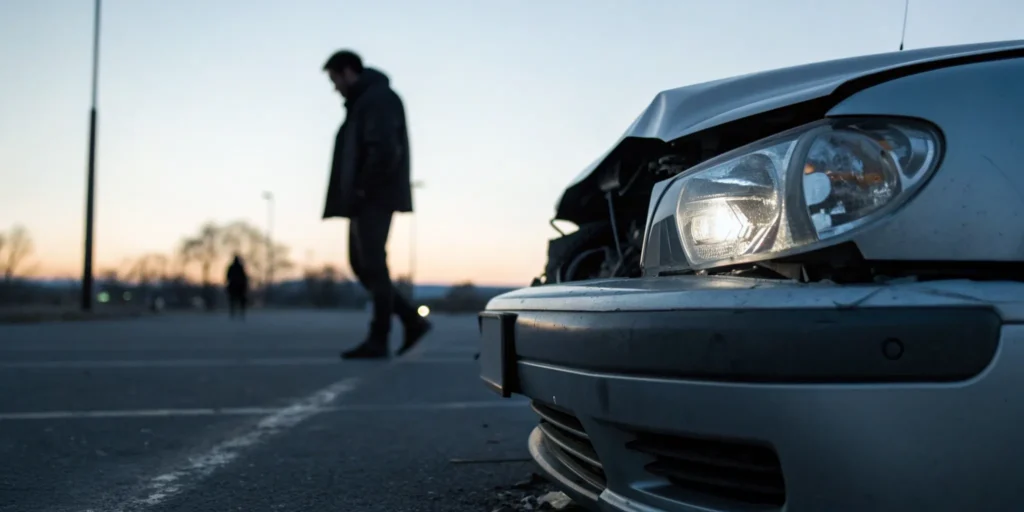
Finding your parked car hit by an uninsured driver can feel like a worst-case scenario. It’s a complicated mess that combines property damage with financial uncertainty, and it’s easy to feel overwhelmed. However, the actions you take in the first few hours are critical and can significantly influence the outcome. Instead of panicking, you can take control by following a clear set of steps. From documenting the scene like a pro to filing the right kind of insurance claim and understanding your legal options, you have more power than you think. Think of this as your action plan for turning a frustrating situation into a resolved one.
Key Takeaways
- Document Everything and File a Police Report: Your phone is your best tool for gathering evidence. Take photos of all damage and the scene, then call the police to create an official report, which is essential for any insurance claim.
- Understand Your Own Insurance Coverage: Before assuming you have to pay out-of-pocket, check your policy. Your Collision or Uninsured Motorist Property Damage (UMPD) coverage is specifically designed to handle repairs when an uninsured driver is at fault.
- Hold the Other Driver Accountable: Even without insurance, the at-fault driver is still financially responsible. You can pursue them directly for costs, but consulting with an attorney can help you manage the process and ensure you recover what you’re owed.
An Uninsured Driver Hit Your Parked Car. Now What?
Discovering your parked car has been hit is incredibly frustrating. That feeling gets even worse when you find out the person responsible doesn’t have insurance. It’s a situation that can leave you feeling helpless, wondering who will cover the repairs and how you’ll manage the fallout. While it’s a complicated scenario, it’s not an impossible one. Taking a few specific, deliberate steps right after the incident can protect your rights and set you up for the best possible outcome. Think of it as a checklist to get through the immediate chaos. By staying calm and focusing on what you can control, you can build a strong foundation for your insurance claim and ensure you don’t get stuck with the bill for someone else’s mistake. The key is to act methodically, starting with gathering as much information as you possibly can from the scene.
Document the Scene
Your phone is your most powerful tool in this moment. Before you do anything else, start taking pictures and videos. Capture the damage to your car from every possible angle—get close-ups of dents and scratches, but also take wider shots to show the full context. If the other driver is still there, photograph their car, paying special attention to the areas that made contact and their license plate. Don’t forget the surrounding area. Snap photos of any debris on the ground, skid marks, and the general location. This visual evidence is crucial; it tells a story that words alone can’t and helps establish exactly what happened for your personal injury claim.
Call the Police and File a Report
Even if the damage seems minor, you need to call the police. This is especially true if the other driver is uninsured or if they fled the scene. An official police report is a powerful piece of evidence that your insurance company will take seriously. When the officer arrives, calmly explain what happened and provide them with all the information you have. Make sure you get the officer’s name, badge number, and the police report number before they leave. This report formalizes the incident, creating an official record that validates your version of events and is essential for any car accident claim you file later.
Get Witness and Driver Information
If the driver who hit your car is still there, your priority is to get their information. Ask for their full name, phone number, address, and driver’s license number. Even if they admit to not having insurance, get their details. Avoid getting into a debate or argument about fault; just stick to gathering the facts. Look around to see if anyone witnessed the collision. If you find someone who saw what happened, politely ask for their name and contact information. Their statement could be incredibly helpful. Also, check nearby businesses or homes for security cameras that may have captured the incident.
Check for Injuries and Seek Medical Care
You might think that if your car was parked, there’s no chance of injury. However, you could have been inside the vehicle or standing nearby when the impact occurred. The shock and adrenaline of the moment can easily mask pain. If you feel even slightly sore, dizzy, or “off,” it’s important to get checked out by a doctor right away. Some injuries, like whiplash or concussions, have delayed symptoms that can become serious if left untreated. Seeking prompt medical attention creates a documented link between the accident and your injuries, which is vital if you need to file a claim for medical expenses.
How Your Insurance Can Help
Discovering your parked car has been hit is frustrating, and learning the other driver is uninsured makes it even more stressful. The good news is that your own auto insurance policy might have the coverage you need to handle the repairs and any related costs. Before you assume you’re out of luck, it’s time to pull out your policy documents or call your agent. Understanding the different types of coverage you pay for is the first step toward getting your car—and your life—back on track.
Navigating insurance claims can feel overwhelming, especially when you’re dealing with the aftermath of an accident. Each policy is different, but most contain specific provisions for situations just like this. Whether it’s collision coverage, uninsured motorist protection, or medical payments coverage, you may have more options than you think. Let’s walk through what these coverages mean and how they can work for you after an uninsured driver hits your parked car.
What is Collision Coverage?
Collision coverage is the part of your auto insurance policy that helps pay to repair or replace your car if it’s damaged in a collision with another vehicle or object. The key thing to know is that it typically covers you regardless of who is at fault. If an uninsured driver hits your parked car, you can file a claim through your collision coverage to get the damage fixed. You will, however, have to pay your deductible first. While paying a deductible isn’t ideal, it’s often much more manageable than covering the entire cost of repairs for a serious car accident out of your own pocket.
Understanding Uninsured Motorist (UMPD) Coverage
This is where things get more specific. Uninsured Motorist Property Damage (UMPD) coverage is designed for this exact scenario. If you have this on your policy, it can cover the damage to your vehicle when an uninsured driver is at fault. In some states, using your UMPD coverage means you won’t have to pay a deductible, which is a major advantage over using standard collision coverage. It’s important to check your policy details to see if you have UMPD and what the terms are in Arizona. This specific protection can be a lifesaver when you’re dealing with a driver who lacks proper insurance.
Using Your Medical Payments Coverage
Even if you weren’t in the car when it was hit, accidents in parking lots or on the street can sometimes result in injury. For example, you might have been loading groceries or standing nearby when the collision occurred. If you were injured, your own policy can help. Coverages like Medical Payments (Med Pay) or Personal Injury Protection (PIP) can assist with medical expenses for you or your passengers, no matter who was at fault. Additionally, Uninsured Motorist Bodily Injury (UMBI) coverage can step in to cover your medical bills if the at-fault driver has no insurance to cover them.
What If You Don’t Have Enough Coverage?
This is the tough spot no one wants to be in. If you don’t have collision or UMPD coverage and you can’t identify the driver who hit your car, you may have to pay for the repairs yourself. This can feel incredibly unfair, especially when the accident wasn’t your fault. Before you give up, it’s worth double-checking every detail of your policy and the accident report. Sometimes, there are other options to explore. If you find yourself in this situation, speaking with a personal injury attorney can help you understand if there are any other paths to getting compensation.
What If the Driver Fled the Scene?
Discovering your parked car has been hit is frustrating enough, but finding the other driver gone can feel infuriating and hopeless. When the person responsible flees, it’s legally considered a hit-and-run. While this adds a layer of complexity to your situation, it doesn’t mean you’re out of options. Taking a few specific, deliberate steps right away can protect your rights and set you up for the best possible outcome with your insurance claim.
File a Hit-and-Run Claim
Your first move should always be to contact the police. When a driver hits your car and leaves without providing their information, they’ve committed a crime. Filing a police report creates an official, time-stamped record of the incident, which is essential for your insurance claim. When you call, be prepared to provide your location and a description of the damage. An officer will likely come to the scene to document it. This report is the foundational piece of evidence you’ll need to prove to your insurance company that the damage wasn’t your fault. It’s a crucial step in any car accident case, especially a hit-and-run.
Gather the Right Documents for Your Claim
While you wait for the police, use your phone to become your own investigator. Take clear photos and videos of everything. Document the damage to your car from multiple angles—get close-ups of the impact area and wider shots that show the car’s position. Snap pictures of the surrounding area, including any debris like paint chips or broken plastic from the other vehicle. Look around for potential witnesses or security cameras on nearby homes or businesses that might have captured the event. This evidence is invaluable. The more documentation you have, the stronger your personal injury claim will be when you present it to your insurer.
Work with Your Insurance Adjuster
With a police report in hand and photos saved, your next call is to your insurance company. Report the hit-and-run as soon as possible. Your insurer will assign an adjuster to your case, and this is where all the evidence you gathered comes into play. Providing the police report number, photos, and any witness information will make the process much smoother. Be aware that even though you are not at fault, filing a claim could potentially impact your future insurance rates. Your adjuster can walk you through your policy details, including your deductible and what your specific coverage will handle.
Find Other Ways to Cover Costs
What happens if the police identify the driver who fled? In that case, the at-fault driver is personally responsible for your damages. If they are uninsured, you may need to take action to recover your costs directly from them. This can start with sending a formal demand letter that details the cost of repairs and any other related expenses. However, trying to collect money from an individual who may not have the funds can be a long and difficult process. If you find yourself in this situation, it’s a good idea to seek legal advice to understand your options. An experienced attorney can help you determine the best path forward and manage the process for you.
Can You Go After the Uninsured Driver Directly?
Yes, you absolutely can. While your own insurance policy is often the fastest way to get your car repaired, the person who hit your car is still legally responsible for the damage they caused. Pursuing them directly is your right, and it can be a necessary step if your own coverage isn’t enough to cover all the costs or if you want to recover your deductible.
Going after an uninsured driver means holding them personally accountable. This process involves a few key steps, from formally demanding payment to potentially taking them to court. It can feel intimidating, but you don’t have to do it alone. The goal is to recover the money you’re owed for repairs, a rental car, and any other related expenses. Understanding your options is the first step toward making sure you aren’t left paying for someone else’s mistake. An experienced personal injury lawyer can help you determine the best course of action for your specific situation.
Confirm the Driver Has No Insurance
Before you take any action, you need to be 100% certain the other driver is uninsured. Sometimes, a driver might claim they don’t have insurance at the scene to avoid the immediate consequences, but they actually have an active policy. The best way to verify this is to let your own insurance company investigate. Provide them with all the information you gathered about the other driver, and they can run a search to confirm whether or not there is coverage. If it turns out they are uninsured, they become personally liable for all the damages.
Send a Formal Demand Letter
Once you’ve confirmed the other driver is uninsured, your next move is to send a formal demand letter. This isn’t just a simple note; it’s an official document that clearly states your intention to collect what you’re owed. In the letter, you should detail the accident, list the total cost of the damages based on repair estimates, and set a firm deadline for payment. This letter serves as official proof that you attempted to resolve the issue before taking further legal action. It shows the driver you are serious about getting compensated for your losses.
Consider Small Claims Court
If the driver ignores your demand letter or refuses to pay, your next option is small claims court. In Arizona, you can use small claims court to sue for damages up to $3,500. This process is designed to be simpler than a traditional lawsuit, and you can represent yourself. However, winning your case is only half the battle. A judge can issue a judgment in your favor, but the court doesn’t collect the money for you. You will still be responsible for enforcing the judgment, which can be a difficult and lengthy process on its own.
Know When to Call a Personal Injury Attorney
Dealing with an uninsured driver is frustrating and complex. If the damages are significant, if you were injured, or if you simply feel overwhelmed, it’s time to call an attorney. A skilled car accident lawyer can take over the entire process for you. We can handle communications, send a legally sound demand letter, and if necessary, file a lawsuit to recover your damages. We know how to hold negligent drivers accountable and can explore every avenue for compensation so you can focus on moving forward.
Will This Claim Make Your Insurance Rates Go Up?
It’s the question on everyone’s mind after an accident: will filing a claim make my insurance more expensive? The answer isn’t a simple yes or no, but understanding the factors at play can help you make a smart decision. When an uninsured driver hits your parked car, you’re in a tough spot because you can’t file against their policy. This means you’ll likely have to turn to your own insurance, and that’s where things can get complicated. Your rates are based on the risk the insurance company feels it’s taking by covering you. Any claim can signal a higher risk, but not-at-fault accidents are treated differently. Let’s break down what you can expect.
Why Your Premiums Might Change
Generally, if you file a claim with the at-fault driver’s insurance, your own rates shouldn’t be affected. But since the other driver is uninsured, you’ll probably need to file a claim under your own collision or Uninsured Motorist Property Damage (UMPD) coverage. When you use your own policy, some insurance providers may see this as a reason to adjust your premium at your next renewal, even if the car accident wasn’t your fault. Each company has its own rules, and state regulations can also influence the outcome. It’s a frustrating reality, but it’s one you need to be prepared for.
How Fault Is Determined in Parked Car Accidents
In a parked car accident, determining fault is usually straightforward—the driver of the moving vehicle is responsible. You did nothing wrong by having your car legally parked. The main challenge is proving who hit you, especially in a hit-and-run. If you identified the driver but they are uninsured, the fault still lies with them. Your insurance company will recognize this, which often works in your favor regarding rate increases. A not-at-fault accident is far less likely to impact your premium than an at-fault one. Your personal injury attorney can help you gather the evidence needed to clearly establish the other driver’s liability.
Decide if Filing a Claim Is Worth It
Before you rush to file a claim, take a moment to assess the situation. First, get a few estimates for the repair costs. Compare that amount to your insurance deductible. If the repair cost is only slightly more than your deductible, it might make more financial sense to pay for the damage yourself. For example, if your deductible is $500 and the repairs cost $700, you have to decide if filing a claim for $200 is worth the potential rate hike. This is a personal decision based on your budget and how much risk you’re willing to take with your insurance record.
Protect Your Insurance Record
Be careful when you communicate with your insurance company. Some people don’t realize that even calling to ask a hypothetical question about a potential claim can result in the incident being noted on your account. This note could be considered by underwriters later, even if you never file. Before you call your insurer, it’s a good idea to know exactly what you plan to say and do. Understanding your policy and your rights is key. If you have questions about the process, reviewing an attorney’s FAQ page or seeking a consultation can give you clarity without alerting your insurance provider prematurely.
Related Articles
- What Happens to Uninsured Drivers in an Accident?
- Will My Insurance Go Up If Hit By an Uninsured Driver?
- How to Collect Money From an Uninsured Driver: A Guide
- What Happens When an Insured Driver Hits Uninsured?
- What Happens If You’re Hit by an Uninsured Driver? – AZ Law Now Injury Attorneys
Frequently Asked Questions
What if the driver took off and I have no idea who hit my car? This is a hit-and-run, which is a crime. Your first step is to file a police report immediately. Then, gather as much evidence as you can—take photos of the damage and the scene, and look for nearby security cameras. You’ll then file a claim with your own insurance company, likely using your collision or Uninsured Motorist coverage. The police report is key to showing your insurer that you weren’t at fault.
Do I really have to pay my deductible if the accident wasn’t my fault? It depends on your specific policy. If you use your collision coverage, you will almost always have to pay your deductible upfront to get the repairs started. However, if you have Uninsured Motorist Property Damage (UMPD) coverage, some policies waive the deductible in this exact situation. It’s worth checking your policy documents to see which coverage applies and what the terms are for a not-at-fault accident with an uninsured driver.
Is it actually worth the effort to sue an uninsured driver? This is a strategic decision. While you have the right to pursue the at-fault driver in court, you have to consider if they have any assets or income to pay a judgment. Winning in court doesn’t guarantee you’ll get paid. For smaller amounts, small claims court is an option, but for significant damages, it’s best to discuss the situation with an attorney. We can help you determine if the driver has assets and if pursuing a lawsuit is a practical step toward getting your money back.
My car was just hit. What is the single most important thing I should do right now? The most critical first step is to document everything. Before you move your car or do anything else, use your phone to take extensive photos and videos of the damage, the other car’s license plate if they are still there, and the surrounding area. This visual evidence is your strongest tool and creates an undeniable record of what happened. After that, your next call should be to the police to get an official report filed.
I have “full coverage,” so am I automatically protected in this situation? “Full coverage” is a common term, but it isn’t an official type of insurance. It usually means you have a combination of liability, comprehensive, and collision coverage. While your collision coverage will likely pay for the repairs after you meet your deductible, it’s your Uninsured Motorist Property Damage (UMPD) coverage that is specifically designed for this scenario. It’s important to review your policy to see exactly what protections you have, as not all “full coverage” policies are created equal.