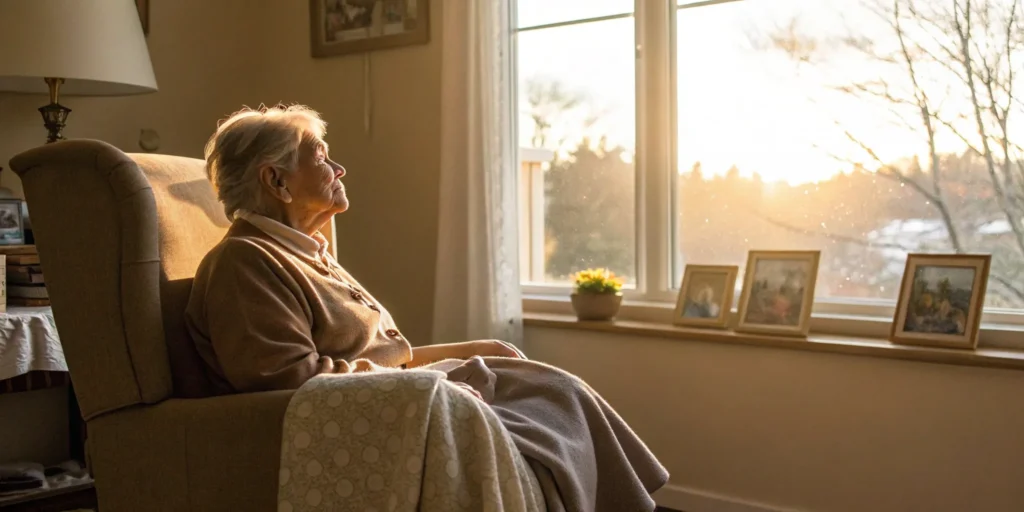
You know your loved one better than anyone. If you have a persistent gut feeling that something isn’t right at their assisted living facility, you should listen to it. It’s easy to second-guess yourself, especially when staff members dismiss your concerns or attribute changes to the natural aging process. But abuse is not a normal part of aging. It can take many forms—from physical neglect to emotional manipulation and financial exploitation—making it difficult to pinpoint. This article will help you translate that uneasy feeling into concrete knowledge by detailing the specific signs of elder abuse in assisted living. Our goal is to empower you with the information you need to spot the red flags and move forward with confidence.
Key Takeaways
- Recognize the Many Forms of Abuse: Elder abuse extends beyond physical harm to include emotional manipulation, financial exploitation, and neglect. Pay close attention to subtle changes in your loved one’s mood, appearance, and finances.
- Your Observations Are Crucial Evidence: If you suspect abuse, start documenting immediately. Note dates, times, specific observations, and take photos of any injuries or unsafe conditions to create a detailed record for your case.
- Act Quickly to Ensure Their Safety: Report your suspicions to the proper authorities, starting with Arizona’s Adult Protective Services (APS) at 1-877-SOS-ADULT. Consulting with an elder abuse attorney can also help you protect your loved one’s legal rights.
What Is Elder Abuse in Assisted Living?
When we place our loved ones in an assisted living facility, we trust they’ll receive compassionate and professional care. Unfortunately, that trust is sometimes broken. Elder abuse is any intentional act or failure to act by a caregiver that causes harm or a serious risk of harm to an older adult. It’s a heartbreaking reality that can take many forms, from obvious physical harm to subtle emotional manipulation or financial theft. Understanding what constitutes abuse is the first and most critical step toward protecting the people you care about most.
Common Types of Elder Abuse
Abuse isn’t always as clear as a bruise or a cut. It can be quiet and insidious, making it crucial to know the different forms it can take. The most common types of elder abuse include physical harm, emotional or psychological manipulation, and sexual abuse. It also includes neglect, where a caregiver fails to provide basic necessities like food, water, or medical care. Another prevalent form is financial exploitation, which involves the illegal or improper use of an older person’s money or property. Each type leaves its own trail of warning signs, and being aware of them can help you spot trouble before it escalates.
Why It Happens in Assisted Living Facilities
It’s difficult to imagine why anyone would harm a vulnerable older adult, but several factors can contribute to abuse in assisted living settings. Residents with memory problems, dementia, or communication difficulties may not be able to clearly report what’s happening to them. In some facilities, understaffing, inadequate training, and high employee turnover create a stressful environment where neglect and abuse are more likely to occur. While caregiver stress is often cited as a reason, it is never an excuse for harmful behavior. The responsibility for providing a safe and caring environment always falls on the facility and its staff.
Myths vs. Realities of Elder Abuse
Misconceptions about elder abuse can prevent people from recognizing and reporting it. One common myth is that abuse only happens in run-down nursing homes, but it can occur anywhere, including in the most expensive assisted living facilities. Another is that if you don’t see physical marks, everything is fine. In reality, emotional and financial abuse often leave no visible scars but can be just as devastating. It’s also untrue that caregiver stress is the direct cause of abuse; it’s a complex issue with deeper roots. By understanding these realities, you can be a more effective advocate for your loved one’s well-being and safety.
Spotting the Physical Signs of Abuse
Physical signs are often the most direct indicators of abuse, but they can also be the easiest to explain away. An older adult may be more prone to bruising or falling, and caregivers might dismiss injuries as simple accidents. That’s why it’s so important to pay close attention to any physical changes in your loved one. Trust your instincts. If an explanation for an injury doesn’t feel right, it probably isn’t.
Documenting these signs is a critical first step. Take photos of injuries, note the dates you observed them, and write down the explanation you were given by staff. This record can be incredibly valuable if you decide to take further action. While a single bruise might not be cause for alarm, a pattern of physical harm is a serious red flag that points to potential elder abuse. Being vigilant and observant is one of the most powerful ways you can protect your family member from harm.
Unexplained Bruises, Welts, or Scars
One of the most common signs of physical abuse is the presence of unexplained injuries. While it’s true that older skin can bruise easily, you should look for bruises, welts, or scars that appear in unusual patterns or locations. For example, bruises on both sides of the body, such as on the upper arms, could indicate someone was held down or grabbed forcefully. Pay attention to injuries around the face, neck, or torso that are hard to attribute to a simple fall. According to the Elder Justice Initiative, you should also look for untreated open wounds, cuts, or black eyes. When you ask your loved one or the staff about these marks, listen carefully to the explanation. If the story is vague, changes, or doesn’t match the injury, it’s a major cause for concern.
Signs of Physical Restraint
Caregivers should never use physical restraints on a resident for punishment or their own convenience. If you notice marks on your loved one’s wrists or ankles, it could be a sign they were tied to a bed or chair. These marks might look like rope burns, deep red lines, or bruises. Other indicators of improper restraint include broken eyeglasses or frames, which could suggest a struggle. Dislocated joints or sprains can also result from being handled too roughly or being physically forced into a position. These are not normal signs of aging or accidental injury; they are direct evidence of physical mistreatment and a clear violation of a resident’s rights.
Sudden or Frequent Injuries
An isolated incident can happen, but a pattern of recurring injuries is a serious warning sign of ongoing abuse or neglect. If your loved one suddenly has frequent falls, broken bones, sprains, or burns, you need to question the circumstances. These injuries may be presented as accidents, but they could stem from a dangerous environment, inadequate supervision, or direct physical harm. A sudden decline in health, such as significant weight loss or persistent infections, can also be a physical sign that their basic needs are not being met. When a facility fails to provide a safe environment, it can be held responsible for the resulting harm. If you notice a troubling pattern, it may be time to investigate a potential nursing home abuse claim.
Recognizing Emotional and Psychological Abuse
Emotional abuse can be just as damaging as physical harm, but its signs are often much harder to spot. This type of abuse includes verbal assaults, threats, harassment, and intimidation, all of which can cause serious psychological trauma. It’s about a pattern of behavior designed to control, isolate, or frighten a resident. Because the wounds are invisible, you have to pay close attention to your loved one’s behavior and emotional state. If something feels off, it probably is. Trust your instincts and look for consistent patterns. Recognizing these changes is the first step toward protecting them from further harm and seeking justice for the mistreatment they’ve endured. Understanding the different forms of elder abuse can help you identify specific warning signs and take appropriate action.
Sudden Changes in Behavior or Mood
One of the most common red flags is a sudden and unexplained shift in your loved one’s personality. A once-outgoing and cheerful person might become withdrawn, quiet, and unresponsive. You may also notice new behaviors like rocking, mumbling, or sucking their thumb, which can be self-soothing responses to trauma. According to the National Council on Aging, agitation, depression, or anxiety that appears without a clear cause can be a strong indicator of emotional abuse. Don’t dismiss these changes as just part of aging. If your loved one seems unusually sad, fearful, or detached, it’s worth looking into the cause.
Fear or Anxiety Around Certain Staff
Pay close attention to how your loved one interacts with different caregivers. If they seem tense, anxious, or fearful around a specific staff member, it’s a major cause for concern. You might notice them flinching when that person approaches, avoiding eye contact, or becoming silent when they enter the room. This is a classic sign that the caregiver is the source of their distress. This type of mistreatment is a serious form of caregiver abuse and should never be ignored. Your loved one may be too scared to speak up, so it’s up to you to observe these interactions and advocate on their behalf.
Trouble Communicating or Expressing Themselves
Emotional abuse often involves belittling and humiliation, which can crush a person’s confidence and make them hesitant to speak. If your loved one suddenly has trouble communicating or seems reluctant to talk about their life at the facility, it could be a sign of abuse. They might be afraid of retaliation from their abuser if they say the wrong thing. This isn’t always a symptom of cognitive decline; it can be a direct result of being emotionally manipulated or threatened. If conversations become strained or your loved one seems to be censoring themselves, it’s a warning sign that something is wrong.
Identifying Warning Signs of Neglect
Neglect is one of the most common and heartbreaking forms of elder abuse. It’s not always a single, malicious act but often a pattern of failing to provide the basic care a person needs to thrive. This can be just as harmful as physical or emotional abuse, leading to serious health problems, depression, and a diminished quality of life. When you visit a loved one in an assisted living facility, it’s important to look beyond their immediate mood and pay close attention to the details of their care and environment. Spotting the signs of neglect early can make all the difference in protecting their health and well-being. Keep an eye out for these critical red flags that may indicate your loved one isn’t receiving the attention they need.
Changes in Personal Hygiene or Appearance
One of the most visible signs of neglect is a noticeable decline in your loved one’s personal grooming. When you visit, do they appear unkempt? Look for things like dirty clothes, unwashed hair, untrimmed nails, or persistent body odor. These are often indicators that the staff is not providing the necessary help with daily tasks like bathing, dressing, and laundry. While an off day can happen to anyone, a consistent pattern of poor hygiene is a serious warning sign. It suggests that your loved one isn’t receiving the attentive, dignified care they deserve, which is a fundamental aspect of preventing elder abuse.
Untreated Medical Issues
A key responsibility of any assisted living facility is managing the health of its residents. If you notice untreated medical problems, it’s a major red flag. This could manifest as bedsores from not being moved enough, persistent infections, signs of dehydration, or rapid weight loss. It also includes the failure to manage chronic conditions, like not administering insulin correctly for a diabetic resident. Ask questions about their medical care, medications, and any recent health concerns. If staff members are dismissive or can’t provide clear answers, it may indicate that critical medical needs are being overlooked, leading to a dangerous decline in health.
Unsafe or Unclean Living Conditions
The state of your loved one’s living space speaks volumes about the quality of care they’re receiving. Their room and the facility’s common areas should be clean, safe, and well-maintained. Be on the lookout for hazardous conditions like poor lighting, broken furniture, faulty wiring, or clutter that could cause a fall. Pay attention to cleanliness—are there bad odors, soiled linens, pests, or a general layer of grime? An assisted living facility has a legal duty to provide a safe environment, and failing to do so falls under the umbrella of premises liability. Unsafe or unsanitary conditions are not just unpleasant; they are a direct threat to your loved one’s safety.
Uncovering Financial Exploitation
Financial exploitation is one of the most devastating forms of elder abuse, and it often goes unnoticed because it doesn’t leave physical scars. Instead, the damage is done to bank accounts, property deeds, and a lifetime of savings. Perpetrators, who can be staff members, other residents, or even visiting family, often prey on an elder’s trust or cognitive decline. They might use deception, intimidation, or manipulation to gain access to financial assets. It’s crucial to be vigilant and recognize the subtle red flags that suggest someone is taking advantage of your loved one financially. Knowing what to look for is the first step in protecting them from serious financial harm.
Unusual Financial Activity
One of the clearest signs of financial exploitation is strange or sudden changes in your loved one’s banking habits. Keep an eye out for large, unexplained withdrawals from their accounts, especially if they were accompanied by a caregiver. You might also notice new names being added to their bank cards or accounts without a clear reason. Another red flag is seeing ATM withdrawals when you know your loved one is bedridden or rarely leaves the facility. If you have access to their financial statements, review them regularly for any activity that seems out of character. These patterns can indicate that someone is siphoning funds without permission.
Missing Valuables or Possessions
Pay close attention to your loved one’s personal belongings. Have sentimental items like jewelry, art, or electronics suddenly gone missing from their room? Financial abuse isn’t just about bank accounts; it can also involve the theft of valuable possessions. Another warning sign is when bills start to go unpaid, even though there should be enough money to cover them. This could mean funds are being diverted elsewhere. Be wary of forged signatures on checks or other financial documents, or if a previously uninvolved relative suddenly shows intense interest in your loved one’s assets. These are serious indicators that someone may be exploiting them.
Pressure to Change Wills or Finances
A major red flag is any sudden or coerced change to important legal documents. If your loved one unexpectedly alters their will, power of attorney, or property titles, especially in favor of a new acquaintance or a specific caregiver, it’s cause for concern. Abusers often pressure seniors into making these changes, convincing them it’s a good idea or outright threatening them. You might also see them paying for services that are clearly unnecessary or overpriced. This kind of manipulation is a common tactic used to drain a senior’s resources. If you suspect any form of personal injury or abuse, it’s important to address it immediately.
What to Do if You Suspect Elder Abuse
Seeing the signs of potential abuse is a frightening and overwhelming experience, but your awareness is the first and most important step toward protecting your loved one. Trust your instincts. If something feels wrong, it probably is. Taking decisive action can feel intimidating, but it’s the only way to ensure your family member is safe and that those responsible are held accountable. The following steps will give you a clear path forward, helping you move from suspicion to action. Remember, you are your loved one’s strongest advocate. By taking these steps, you can intervene, stop the harm, and begin the process of seeking justice for the person you care about. An experienced elder abuse attorney can also provide guidance and support as you handle this difficult situation.
Take Immediate Steps to Ensure Safety
Your first priority is your loved one’s immediate safety. If you believe they are in imminent danger—for example, if you witness a physical assault or they have a serious, unexplained injury that needs medical attention—call 911 or the local police right away. Do not hesitate or worry about causing a scene. Professional intervention is necessary to stop immediate harm and secure the environment. Once law enforcement or emergency medical services are involved, they can assess the situation and take the necessary steps to protect your family member. This might include transporting them to a hospital or removing them from the facility. Your quick response in a crisis can prevent further injury and is the most critical action you can take.
Document Everything You See
Once your loved one is safe from immediate harm, your next step is to document everything. Your observations are powerful evidence. Start a detailed log in a notebook or on your phone. For every concern, write down the date, time, and a specific description of what you saw or heard. If you notice physical signs like bruises or bedsores, take clear photos with a date stamp if possible. Note any changes in your loved one’s emotional state or behavior, especially around certain staff members. Write down the names of caregivers on duty and any conversations you have with them or the facility’s management. This detailed record will be invaluable when you file a formal report and can be crucial for a personal injury case.
Know Who to Report It To
Reporting your suspicions to the proper authorities is essential for an official investigation to begin. In Arizona, you should report suspected elder abuse to Adult Protective Services (APS). Their statewide, 24/7 hotline is 1-877-SOS-ADULT (1-877-767-2385). APS is responsible for investigating claims of abuse, neglect, and exploitation of vulnerable adults. You should also consider filing a complaint with the Arizona Department of Health Services, which licenses and regulates assisted living facilities. While you can report your concerns to the facility’s director, it’s also wise to contact an attorney who specializes in nursing home abuse. A legal expert can help you protect your loved one’s rights and explore all available options for holding the facility accountable.
How to Prevent Elder Abuse Before It Starts
While knowing the signs of abuse is critical, taking proactive steps to prevent it from ever happening is the best way to protect your loved one. Prevention isn’t about being distrustful; it’s about being engaged and creating a safe environment. By carefully choosing a facility, staying present in your loved one’s life, and building positive relationships with their caregivers, you can significantly reduce the risk of harm and ensure they receive the compassionate care they deserve.
Vet the Assisted Living Facility Carefully
Your prevention strategy starts before your loved one even moves in. Take the time to thoroughly research and visit potential facilities. Look beyond the brochure and observe the daily environment. How do staff members interact with residents? Do they seem supported and happy, or stressed and overworked? A well-managed facility that invests in its staff creates an environment where abuse is less likely to occur. Remember that elder abuse can happen in any setting, so ask about their specific policies for hiring, training, and reporting misconduct. A transparent and well-run facility will welcome your questions.
Stay Involved and Visit Often
Your consistent presence is one of the most powerful tools for prevention. Regular visits—at different times and on different days—show the staff that you are an active and involved part of your loved one’s care team. This not only deters potential abusers but also gives you a baseline for your loved one’s physical and emotional state. Since the signs of abuse can be subtle, these visits are your chance to notice small changes that might otherwise go unseen. Use this time to observe, listen, and simply be with them, ensuring they feel seen and supported.
Build a Relationship with Caregivers
Getting to know the people who care for your loved one every day is essential. Learn their names, ask how they’re doing, and acknowledge their hard work. Building a respectful, positive relationship fosters open communication and makes it easier to address any concerns that may arise. It also helps your loved one feel safer and more comfortable. Understanding that caregiving can be a stressful job allows you to be a supportive presence for both your family member and the staff, which can help prevent the burnout that sometimes leads to caregiver abuse.
Know Your Loved One’s Legal Rights
When you place a loved one in an assisted living facility, you trust that they will be treated with dignity and respect. It’s important to know that this isn’t just a hope—it’s their legal right. Both federal and state laws are in place to protect residents from harm, and understanding these rights is the first step in becoming their strongest advocate. If you suspect something is wrong, knowing the legal framework can give you the confidence to take action and ensure their safety and well-being. These protections are not just guidelines; they are enforceable standards of care that every facility must follow.
Federal and Arizona State Laws
Residents in assisted living and nursing homes are shielded by a combination of federal and state laws. The cornerstone of these protections is the federal Nursing Home Reform Act, which establishes a national standard of care. This act explicitly states that residents have the right to live free from abuse, neglect, and mistreatment, and it’s designed to safeguard their dignity and ensure they receive quality care. Arizona has its own set of regulations that build upon these federal mandates, providing specific rules for facilities operating within the state. These laws work together to create a comprehensive safety net for our elderly population.
A Resident’s Bill of Rights
Think of it as a Bill of Rights for residents. Every person in an assisted living facility is guaranteed certain protections, including the fundamental right to be free from both mental and physical abuse. This legal framework is crucial for holding facilities accountable and ensuring residents are treated with the respect they deserve. As a family member, familiarizing yourself with these rights is one of the most powerful things you can do. It equips you to identify violations and advocate effectively for your loved one. When you know what constitutes a violation, you can speak up with authority and demand change.
When to Contact an Attorney
If your instincts tell you that a loved one is experiencing neglect or abuse, it’s time to take action. Unfortunately, government studies have shown that state systems for reporting and investigating elder abuse can sometimes fall short, leaving residents vulnerable. This is where legal help becomes essential. Consulting with an attorney who specializes in these cases can clarify your loved one’s rights and outline the legal options available to you. An experienced lawyer can help you gather evidence, communicate with the facility, and ensure your family’s concerns are taken seriously. Don’t hesitate to seek legal advice to protect the person you care about.
Where to Find Help and Support
Discovering that a loved one might be a victim of abuse is devastating, but you are not alone, and there are clear steps you can take to get them help. Several organizations, both at the state and national level, are dedicated to protecting vulnerable adults and providing resources for families. Knowing who to call can make all the difference in ensuring your loved one’s safety and well-being. If you suspect elder abuse, taking action quickly is the most important thing you can do. These resources are your first line of defense.
Reporting to Adult Protective Services (APS)
If you believe an older adult is being abused, neglected, or exploited, your first call should be to Adult Protective Services (APS). In Arizona, you can file a report by calling the statewide hotline at 1-877-SOS-ADULT (1-877-767-2385). APS is the designated state agency responsible for investigating these claims. Their primary goal is to ensure the safety of the vulnerable adult. When you make a report, an investigator will look into the situation and determine what services are needed to create a safe environment. These services are voluntary and designed to protect the individual while respecting their independence as much as possible.
Contacting the Long-Term Care Ombudsman
For concerns specifically related to nursing homes, assisted living facilities, or other residential care settings, the Long-Term Care Ombudsman Program is an essential resource. An ombudsman acts as an advocate for residents, working to resolve complaints and protect their rights. They handle issues ranging from quality of care to residents’ rights violations. You can contact the Arizona Long-Term Care Ombudsman Program to discuss your concerns and get guidance on how to proceed. They provide a confidential outlet to address problems and ensure facilities are held accountable for the care they provide.
National Support Hotlines
In addition to state-level resources, several national hotlines offer support and information. The Eldercare Locator is a great starting point; you can call them at 800-677-1116 to be connected with local services anywhere in the U.S. For families dealing with dementia-related challenges, which can increase a person’s vulnerability to abuse, the Alzheimer’s Association offers a 24/7 helpline at 800-272-3900. These organizations can provide immediate guidance, connect you with the right local agencies, and offer emotional support as you handle this difficult situation.
Related Articles
- How an Assisted Living Facility Abuse Lawyer Helps
- Nursing Home Abuse in Buckeye: Signs and Legal Action – AZ Law Now Injury Attorneys
- How to Find the Best Lawyer for Nursing Home Neglect
Frequently Asked Questions
What if I report the abuse and the facility retaliates against my loved one? This is a completely valid fear, but it’s important to know that retaliation is illegal. When you report your concerns to an official third party, like Adult Protective Services or the Long-Term Care Ombudsman, you create a formal record of the situation. This puts the facility on notice and provides a layer of protection for your family member. Your loved one has a legal right to a safe environment, and taking action is the best way to enforce that right.
My loved one has dementia and can’t confirm my suspicions. How can I still take action? You can and absolutely should still take action. In these situations, your observations are the most powerful evidence you have. Even if your loved one can’t tell you what’s happening, a pattern of unexplained injuries, sudden behavioral changes, or fear around a specific caregiver speaks volumes. Diligently document everything you see—take photos, keep a dated log of your observations, and note who was on staff. This detailed record is crucial for building a case and getting them the help they need.
Is poor hygiene or an unclean room really enough to be considered neglect? Yes, it is. Neglect isn’t always a dramatic event; it’s often a pattern of failing to provide the basic, dignified care that a resident needs and deserves. Consistent poor hygiene can lead to skin infections and other health issues, while an unsafe or unclean room can result in falls or illness. These are not small details; they are direct reflections of the quality of care and a facility’s failure to meet its legal responsibilities.
What’s the difference between reporting to Adult Protective Services (APS) and contacting a lawyer? Think of them as two different tools for two different jobs, and you can use both. Adult Protective Services is a state agency that investigates reports of abuse to ensure a person’s immediate safety and connect them with protective services. An attorney, on the other hand, is your personal advocate. They work to protect your loved one’s legal rights and hold the facility financially accountable for the harm caused, helping you recover costs for medical bills, pain, and suffering.
I’ve noticed some red flags, but I’m not 100% sure it’s abuse. Should I wait for more proof? No, you should not wait. Trust your instincts. It is not your job to be an investigator or to prove abuse beyond a shadow of a doubt. Your role is to be an advocate. If you see something that makes you concerned, your responsibility is to report those concerns to the proper authorities, like APS. They are the trained professionals whose job it is to investigate. Waiting could allow a dangerous situation to continue and put your loved one at greater risk.