
The driver who hit you is gone. You’re hurt, angry, and probably wondering if there’s anything you can do.
There is. More than you think. But the next few hours matter more than anything that comes after. Evidence in hit-and-run cases has a very short shelf life. Cameras overwrite. Witnesses forget. Physical evidence gets cleaned up. The actions you take today determine whether the driver is found and whether you get compensated.
This guide covers everything. Step by step.
Right Now: After the Crash
Don’t chase the other vehicle
This is the most common instinct and the most dangerous one. Pursuing a fleeing driver puts you and everyone else on the road at risk. You’re likely hurt, running on adrenaline, and not in a condition to drive aggressively. Let them go. Focus on what you can control.
Call 911 immediately
Report a hit-and-run. Arizona law (ARS 28-661 and 28-662) makes leaving the scene of a crash a crime. If anyone is injured, it’s a felony. The 911 call creates a timestamped record and dispatches officers who can start looking for the vehicle while it’s still in the area.
Tell the dispatcher everything you remember about the vehicle
Right now. While it’s fresh.
Color. Make and model if you know it. Sedan, SUV, truck, or van if you don’t. Direction of travel. Any partial plate numbers, even one or two characters. Distinctive features: dents, bumper stickers, roof rack, custom wheels, missing hubcaps, tinted windows.
Every detail helps. A partial plate with a vehicle color and direction of travel is enough for law enforcement to run a filtered search. Most clients think they didn’t see enough. In our experience, you saw more than you realize.
Immediately after the crash, before you touch your phone, say out loud everything you remember about the vehicle. Color, shape, direction, plate. Then record a voice memo or type notes.
Your first recollection is the most accurate. Every minute that passes, details fade. Getting it out of your head and into a recording makes it permanent.
Document the Vehicle
If you caught any part of the vehicle’s appearance, write it down or record it immediately. Here’s what matters most for identification.
Partial license plate information is gold. Even two or three characters narrow the search dramatically. A partial plate combined with a vehicle description can produce a match in under 24 hours when law enforcement runs it through the state DMV database.
If you’re not sure about the full sequence, write down what you think you saw and note which characters you’re confident about versus uncertain.
Vehicle color matters almost as much. Was it red, dark red, or maroon? Silver, gray, or white? Specificity matters. “Dark-colored SUV” is less useful than “black or very dark blue SUV, maybe a Ford Explorer or similar size.”
Make, model, and year range help narrow further. If you know cars, name the model. If you don’t, describe the shape and size. “Small four-door sedan” or “large pickup truck with a crew cab” gives investigators something to work with.
First 48 Hours: Police Report and Cameras
Filing the Police Report
File a police report the same day. Not tomorrow. Not when you feel better. Today.
The police report does several things at once. It creates an official record of the crime. It triggers an investigation. It generates a case number you’ll need for your insurance claim. And it documents your injuries, the scene, and the evidence while everything is fresh.
When you talk to the officer, stick to facts. Where you were. What happened. What you saw. What you remember about the other vehicle. Don’t guess. Don’t speculate. If you’re not sure about something, say so.
If the responding officer doesn’t seem to take the report seriously, don’t let it go. Hit-and-run crashes with injuries are felonies in Arizona. Ask for the case number. Ask who the investigating detective will be. Ask when you can follow up.
If you weren’t able to file a report at the scene (because you were transported to the hospital, for example), file one as soon as you’re able. Go to the nearest police station or call the non-emergency line for the jurisdiction where the crash occurred.
Finding Surveillance Cameras
Cameras are how most hit-and-run drivers get caught. The problem is that footage doesn’t last. Most systems overwrite every 48 to 72 hours. Some overwrite in 24. This is a race against the clock.
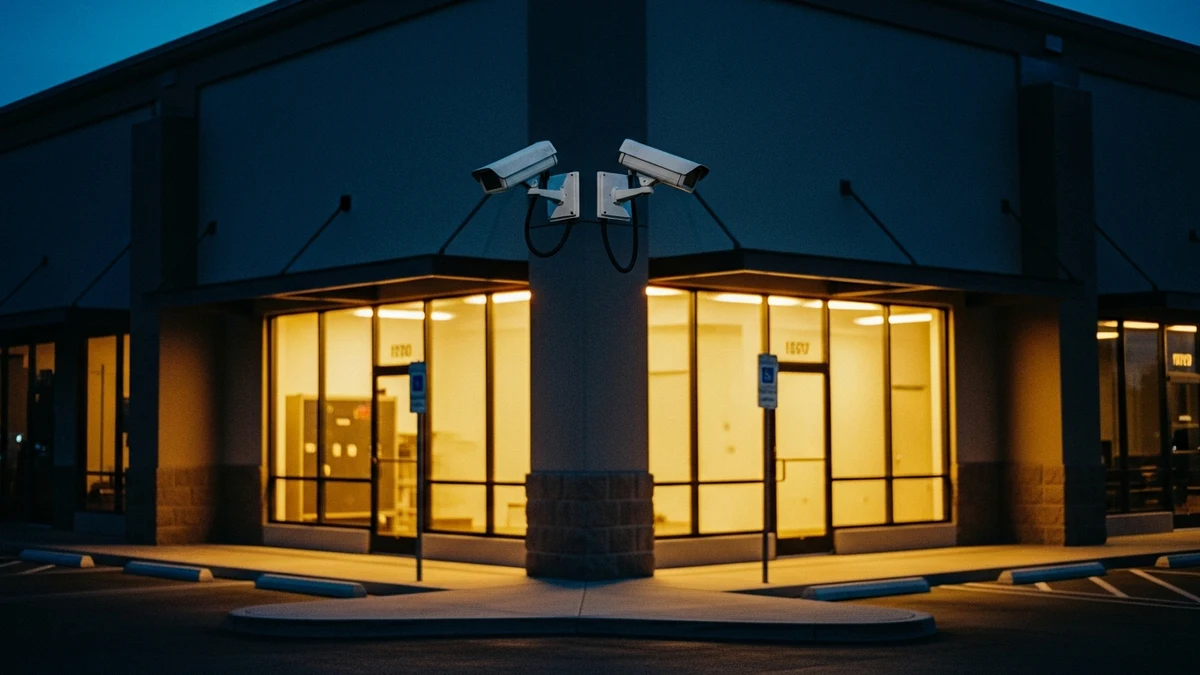
At the crash scene, look around for cameras pointed at the road. Traffic cameras on signal poles. Red-light cameras. Business security cameras on nearby buildings. ATM cameras. Gas station cameras. Fast food drive-through cameras. Point them out to the responding officers.
Tell the officers exactly which cameras you spotted. In our experience, officers document the ones they notice, but a person who’s already identified camera locations speeds up the process.
Neighboring homes are the next source. Doorbell cameras (Ring, Nest, Arlo) and home security cameras have become one of the most common sources of hit-and-run evidence. If the crash happened near a residential area, knock on doors or ask your attorney to canvas the street.
Traffic cameras operated by ADOT and municipal traffic management centers on major intersections and highways sometimes record, and your attorney can submit a records request to the responsible agency.
This is why getting a lawyer involved early matters. An attorney can send formal preservation letters to businesses and agencies within 24 hours, requiring them to save footage before it’s overwritten. You can ask a business to save footage yourself, but a letter from an attorney carries more weight.
Our investigation into Maricopa County hit-and-run data found that the biggest factor in whether a fleeing driver gets identified is how quickly camera footage is secured. After 72 hours, most footage is gone. If you see cameras near the crash scene, tell the police and your attorney the same day.
First Week: Your Checklist
Call 911 at the scene
Report the hit-and-run and describe the vehicle: color, make, model, direction of travel, and any partial plate.
Document everything you remember about the other vehicle
Voice memo or written notes while your recollection is freshest.
Photograph the crash scene
Your vehicle damage, your injuries, and the location of any nearby cameras.
Get emergency medical treatment
Don’t wait. Adrenaline masks pain. Internal injuries may not present symptoms for hours.
File a police report the same day
Not tomorrow. Today. The report creates the official record and the case number you’ll need for your insurance claim.
Contact your auto insurance company to report the crash
Check your policy for UM coverage and report promptly per your policy’s requirements.
Call a personal injury attorney
Hit-and-run cases need fast action on camera preservation. Footage overwrites within 48 to 72 hours.
Start a daily injury journal
Three to five sentences per day documenting pain, limitations, and how the injury affects your daily life.
Follow every medical referral
Don’t skip appointments. Gaps in treatment become the insurance company’s exhibit A.
Don’t post about the crash on social media
Nothing. Insurance adjusters monitor social media and will use anything out of context.
What Happens If the Driver Is Never Found
About 90% of hit-and-run crashes in Maricopa County go unsolved. That’s a hard number to hear. But it doesn’t mean you’re left with nothing.
If the driver isn’t identified, your UM coverage is your primary path to compensation. The claim process works similarly to a regular injury claim, but you’re dealing with your own insurer instead of the other driver’s.
Your attorney will document your injuries, medical treatment, lost wages, and other damages. They’ll submit a demand to your UM carrier. If the carrier doesn’t offer fair compensation, your attorney can file suit against your own insurer under Arizona’s bad faith insurance laws.
If you don’t carry UM coverage, your options are more limited. Your health insurance covers medical treatment. MedPay covers medical bills up to the policy limit. But you won’t have a path to recover lost wages, pain and suffering, or other non-economic damages without UM coverage.
This is why every Arizona driver should carry UM/UIM coverage at the highest limit they can afford. It’s your safety net for the worst-case scenarios.
If the Driver Is Found Later
Sometimes the driver is identified days, weeks, or even months after the crash. A camera catches the plate. A body shop reports fresh damage. The driver’s conscience (or their bartender) leads them to turn themselves in. A witness comes forward.
When the driver is found, you now have a claim against their liability insurance in addition to your UM claim. Your attorney will pursue both. The at-fault driver’s insurance pays first, and your UM coverage fills any gap.
The criminal case and your civil claim run on separate tracks. The driver may face criminal charges for leaving the scene (ARS 28-661 or 28-662). Your civil claim for damages is independent. You don’t have to wait for the criminal case to resolve before pursuing compensation.
Talking to Insurance
Here’s what usually happens next. The driver is gone. You don’t know who hit you. You’re hurt and you have bills piling up.
This is where your own auto insurance becomes your lifeline.
Uninsured motorist (UM) coverage. If you carry UM coverage on your auto policy, it applies to hit-and-run crashes where the at-fault driver isn’t identified. UM coverage pays for your medical bills, lost wages, pain and suffering, and other damages, up to the limits of your policy.
In Arizona, insurance companies are required to offer UM coverage when you purchase a policy. Many drivers carry it without realizing it. Check your declarations page or call your insurance agent.
Some insurance companies treat UM claims like they’re doing you a favor. They’re not. You paid for this coverage. You’re entitled to the full benefits under your policy.
If your insurer offers a quick settlement that doesn’t cover your medical bills and lost wages, don’t accept it. Your attorney can negotiate with your own insurer on your behalf.
Arizona Deadlines
A hit-and-run has evidence deadlines and legal deadlines, and the evidence ones run out first.
48 to 72 hours: surveillance footage
Not a legal deadline, but most business security cameras overwrite footage every 48 to 72 hours. Some systems overwrite in 24 hours. Traffic cameras vary by agency.
180 days: government entity notice of claim
If road design, missing signage, or a government-maintained intersection contributed to the crash, you must file a notice of claim within 180 days (ARS 12-821.01).
2 years: personal injury lawsuit
You have two years from the crash date to file a personal injury lawsuit (ARS 12-542). If the driver who hit you is later identified, that’s your deadline for a claim against them.
2 years from the date of death: wrongful death
If the crash caused a death, the family has two years from the date of death to file a wrongful death claim (ARS 12-542 / ARS 12-611).
3 years: written notice of a UM/UIM claim
If the driver is never identified, or turns out to be uninsured or underinsured, Arizona law (ARS 12-555) requires written notice to your own insurer within three years of the crash. That deadline comes from the statute, not just your policy.
Your own insurance policy may have its own deadlines for reporting a claim and filing suit. Check your policy or ask your attorney. Report the crash and notify your own insurer right away so neither clock runs out.
What Not to Do
- Don’t chase the other vehicle. Pursuing a fleeing driver puts you and everyone else on the road at risk.
- Don’t wait to file the police report. Not tomorrow. Not when you feel better. Today.
- Don’t wait on the cameras. Most footage is gone after 72 hours.
- Don’t guess or speculate when you talk to the officer. If you’re not sure about something, say so.
- Don’t accept a quick UM settlement that doesn’t cover your medical bills and lost wages.
- Don’t skip medical appointments or post about the crash on social media. Gaps in treatment become the insurance company’s exhibit A, and adjusters monitor social media.
When to Call Us
Hit-and-run cases need fast action on camera preservation. Footage overwrites within 48 to 72 hours.
An attorney can send formal preservation letters to businesses and agencies, canvas the area for doorbell and home security cameras, and submit records requests for traffic camera footage. If your insurer offers a quick settlement that doesn’t cover your medical bills and lost wages, your attorney can negotiate with your own insurer on your behalf.
AZ Law Now handles hit-and-run cases across Buckeye, Goodyear, Avondale, and the entire West Valley. Call (602) 654-0202 or start your free case review. Intake is confidential. Representation is on contingency.
Quick Recap
- Don’t chase the other driver. Call 911 and describe the vehicle, including any partial plate.
- Record everything you remember in a voice memo or notes before the details fade.
- File a police report the same day.
- Point out every camera you see. Most footage overwrites within 48 to 72 hours.
- Your own UM coverage can compensate you even if the driver is never found.
- Two years to file against an identified driver; written notice of a UM/UIM claim within three years.
Frequently asked questions
What should I do first after a hit-and-run?
Can I still get compensated if the driver is never found?
How long does surveillance footage last?
Should I knock on doors near the crash scene to ask about cameras?
What if I only got a partial license plate?
How long do I have to file a hit-and-run claim in Arizona?
Sources & references
- Arizona State Legislature. ARS 28-661: Accident Involving Death or Personal Injury https://www.azleg.gov/ars/28/00661.htm
- Arizona State Legislature. ARS 28-662: Accidents Involving Damage to Vehicle https://www.azleg.gov/ars/28/00662.htm
- Arizona State Legislature. ARS 12-542: Injury to Person; Statute of Limitations https://www.azleg.gov/ars/12/00542.htm
- Arizona Department of Insurance and Financial Institutions. Uninsured Motorist Coverage Requirements https://difi.az.gov/insurance
- Arizona Department of Transportation. Arizona Crash Facts Annual Report https://azdot.gov/planning/traffic-safety/arizona-motor-vehicle-crash-facts
Tell Google to show our reporting more often in Search and AI answers.