Arizona Daycare Negligence Lawyers
Arizona attorneys who investigate ADHS licensing violations and staff-to-child ratio failures. No fee unless we recover.
Free, no obligation. Available 24/7. No fee unless we win.
- $3.07M+ Recovered for Arizona families
- 5.0 ★ 93 verified Google reviews
- No Fee Unless we win your case
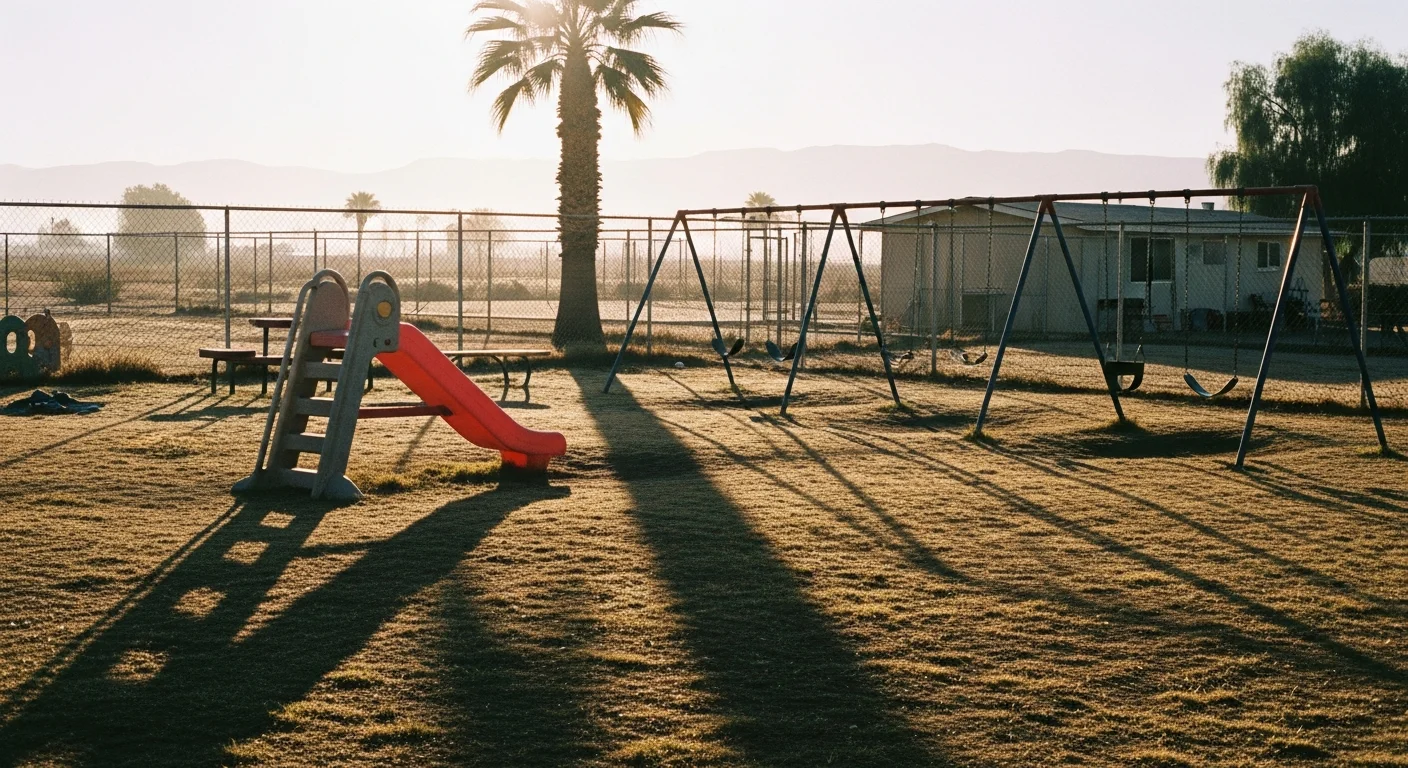
Arizona allows one adult to supervise 15 four-year-olds. The national recommendation from early childhood organizations is one adult per eight to 10 children of that age. For infants, Arizona permits ratios of 1:5, while national standards call for 1:3 to 1:4. For school-age children, Arizona allows 1:20.
These aren’t abstract policy differences. They’re the gap between what child development experts consider safe and what Arizona law requires. When a daycare operates at the legal ratio and a child is injured because one adult can’t watch 15 preschoolers simultaneously, the system failed the child before the injury happened.
Arizona’s Daycare Licensing Framework
The Arizona Department of Health Services (ADHS) regulates child care centers. The Department of Economic Security (DES) handles child care group homes and certified family child care providers. The distinction matters because the regulatory standards differ.
Arizona Administrative Code R9-5 contains the licensing requirements for child care centers. R9-5-404 sets the staff-to-child ratios that every licensed facility must meet.
Arizona’s ratios are among the weakest in the country. A 2024 report from the Governor’s Office on child care infrastructure acknowledged the gap between state requirements and national standards.
AZ CareCheck (azcarecheck.azdhs.gov) is the public database for every ADHS-licensed child care facility in Arizona. AZ CareCheck 2.0 launched in April 2025 with enhanced search features. You can view inspection reports, complaint investigations, enforcement actions, and corrective action plans for any facility. Check it before you enroll your child.
The Five Most Common Daycare Violations
ADHS inspection reports and complaint investigations reveal consistent patterns across Arizona facilities.
When Ratio Violations Cause Injuries
The connection between staffing ratios and child injuries is direct. When one adult supervises 15 four-year-olds, they can’t watch every child at every moment. A child climbs playground equipment, falls, and breaks an arm while the sole adult is attending to another child’s bathroom needs. A toddler puts a small object in their mouth and begins choking while the caregiver is changing a diaper across the room.
These scenarios repeat themselves in daycare injury cases across the state. The facility may have been operating within Arizona’s legal ratio. That doesn’t eliminate liability. The question is whether reasonable care was provided under the circumstances, and courts consider the age, number, and needs of the children being supervised.
When a facility was operating below the legal ratio at the time of an injury, the negligence case is even stronger. The ratio violation is evidence that the facility failed to meet the minimum standard Arizona law requires.
Types of Daycare Injuries
Daycare negligence claims cover a range of injuries.
Falls from playground equipment produce the most common injuries: broken bones, head injuries, dental damage. Falls are the leading cause of injury in child care settings. Equipment maintenance, surfacing material, and supervision all factor into liability.
Choking incidents are the next category. Young children explore the world by putting objects in their mouths, and age-inappropriate toys, unsecured small objects, and food items that are choking hazards create foreseeable risks. Staff must be trained in CPR and emergency response under Arizona licensing requirements.
Claims Against Government-Run Programs
Some child care programs are operated by government entities. Head Start programs, school district preschools, and government-subsidized care centers are public entities or receive public funding that triggers government immunity rules.
Claims against these programs require a 180-day notice of claim under ARS 12-821.01. The notice must include specific facts and a specific settlement amount. The statute of limitations is one year under ARS 12-821, not the standard two years.
Punitive damages aren’t available against public entities under ARS 12-820.04. But compensatory damages, including medical expenses, therapy costs, and pain and suffering, remain fully available.
The Chino Valley Head Start case illustrates institutional failures. Multiple families filed a lawsuit alleging child abuse by a teacher’s aide who had previously been fired from another job for abusing children. The facility allegedly knew about the prior history and hired the aide anyway.
Statute of Limitations and Minor Tolling
The standard statute of limitations for daycare negligence claims is two years from the date of injury under ARS 12-542. But ARS 12-502 provides minor tolling. The clock doesn’t start running until the child turns 18. For the full breakdown of licensing duties and deadlines, see our Arizona daycare negligence law guide.
This means a child injured at age 3 in a daycare facility has until age 20 to file a civil claim. A child sexually abused in daycare has until age 30 under ARS 12-514’s extended deadline for child sexual abuse claims.
Minor tolling exists because children can’t file lawsuits for themselves. The law recognizes that parents may not immediately understand the full scope of harm, and that some injuries, particularly psychological ones, don’t manifest until years later.
West Valley Daycare Growth
Buckeye, Goodyear, and the wider West Valley have experienced rapid residential growth. New housing developments create demand for child care facilities. New facilities open quickly to meet demand, sometimes without the staffing depth or regulatory track record that established centers have.
Families in the West Valley should check every prospective facility on AZ CareCheck before enrollment. Review the most recent inspection reports. Look for repeat deficiencies. Check whether the facility has had complaint investigations. Ask about staff turnover rates and how the facility handles ratio compliance during shift transitions.
Families whose child was injured in a daycare or child care facility can reach AZ Law Now at (602) 654-0202 or through the contact form. An initial review pulls ADHS inspection records, licensing histories, and staffing data. Intake is confidential. Representation is on contingency.
Recent Investigation
See our arizona daycare violations investigation for the data behind the pattern.
Frequently asked questions
What are Arizona's daycare staff-to-child ratios?
How do I check a daycare's license and inspection history?
Can I sue a daycare for my child's injury?
What are common daycare violations in Arizona?
What if the daycare wasn't licensed?
How long do I have to file a daycare negligence claim?
What damages can I recover?
What if the daycare tries to use a liability waiver?
How do I file a complaint against a daycare?
Sources & references
- Arizona Administrative Code R9-5-404: Staff-to-Child Ratios https://www.law.cornell.edu/regulations/arizona/Ariz-Admin-Code-SS-R9-5-404
- Arizona Department of Health Services. Child Care Facilities Licensing https://www.azdhs.gov/licensing/childcare-facilities/index.php
- Arizona Governor's Office of Strategic Initiative. (2024). Expanding Child Care in Arizona https://osi.az.gov/sites/default/files/2025-01/expanding-child-care-in-arizona-aca-final-report-5-31-2024.pdf
- AZ CareCheck 2.0. Arizona Department of Health Services https://azcarecheck.azdhs.gov
- Arizona Revised Statutes § 12-502: Minors; Statute of Limitations Tolling https://www.azleg.gov/ars/12/00502.htm
- Arizona Revised Statutes § 12-821.01: Notice of Claim Against Public Entity https://www.azleg.gov/ars/12/00821-01.htm